
Download Automata Streetcar – Interactive Digital Art, Streetcar Simulation, Museum Experience
Overview
Automata Streetcar is a distinctive interactive digital-media art project that reimagines the role of historic streetcars as tools for storytelling, community reflection, and digital engagement. Designed to explore themes of connection, communication, and collective identity, the project draws from the legacy of streetcar systems in British Columbia—particularly Nelson’s historic network—to create an immersive, educational, and artistic experience. While primarily conceived for museum or gallery installations, Automata Streetcar also offers a home-play version accessible through standard computer input devices, broadening its reach beyond physical exhibition spaces.
The app functions as both a simulation and a participatory art piece, allowing users to assume the roles of conductor and driver within a digitally reconstructed version of Nelson’s main street from a century ago. This dual-purpose design enables audiences to engage with history not just as observers, but as active participants in a narrative of urban development and social cohesion. The experience emphasizes how public transportation historically served as a catalyst for community interaction, fostering trust and shared routines among residents.
Though the developer did not provide additional background on the creative team or institutional affiliations, the project’s design suggests collaboration between artists, technologists, and historians. Its focus on spatial interaction, physical interfaces, and historical narrative positions Automata Streetcar as a meaningful addition to the digital art ecosystem. It serves as a bridge between physical exhibitions and accessible digital experiences, offering a rare blend of aesthetic depth and interactive innovation.
Key Features & Functionality
- Interactive Experience with Physical Controllers: The installation uses custom-built physical art objects as game controllers, transforming traditional input methods into tactile, artistic interfaces. This allows users to interact with the simulation through movement, pressure, and spatial manipulation, enhancing immersion and engagement.
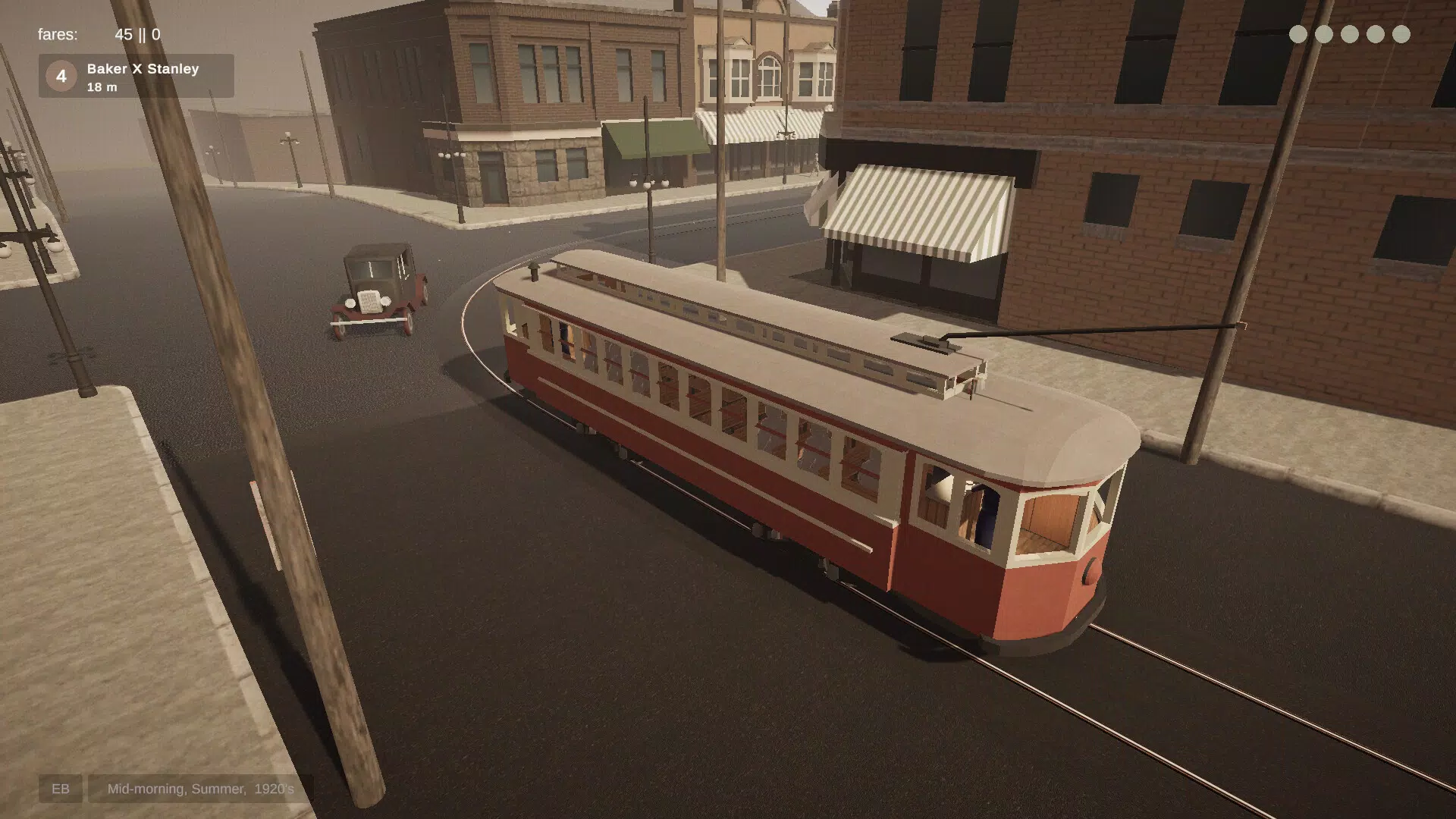
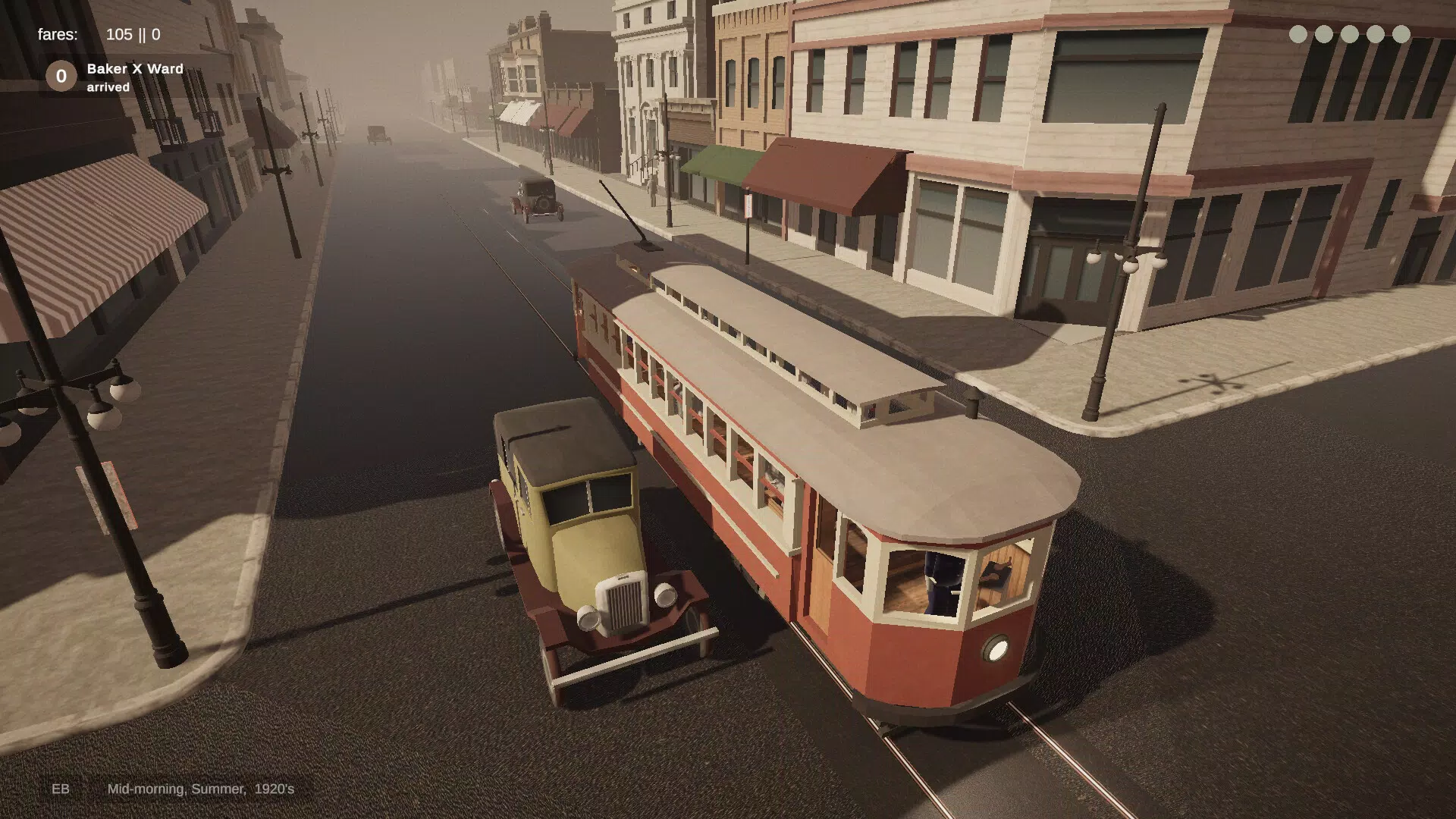
- Digital Recreation of Historical Nelson: Users navigate a detailed, historically inspired digital recreation of Nelson’s main street as it appeared 100 years ago. This environment includes period-accurate architecture, signage, and ambient details, offering an educational glimpse into early 20th-century urban life.
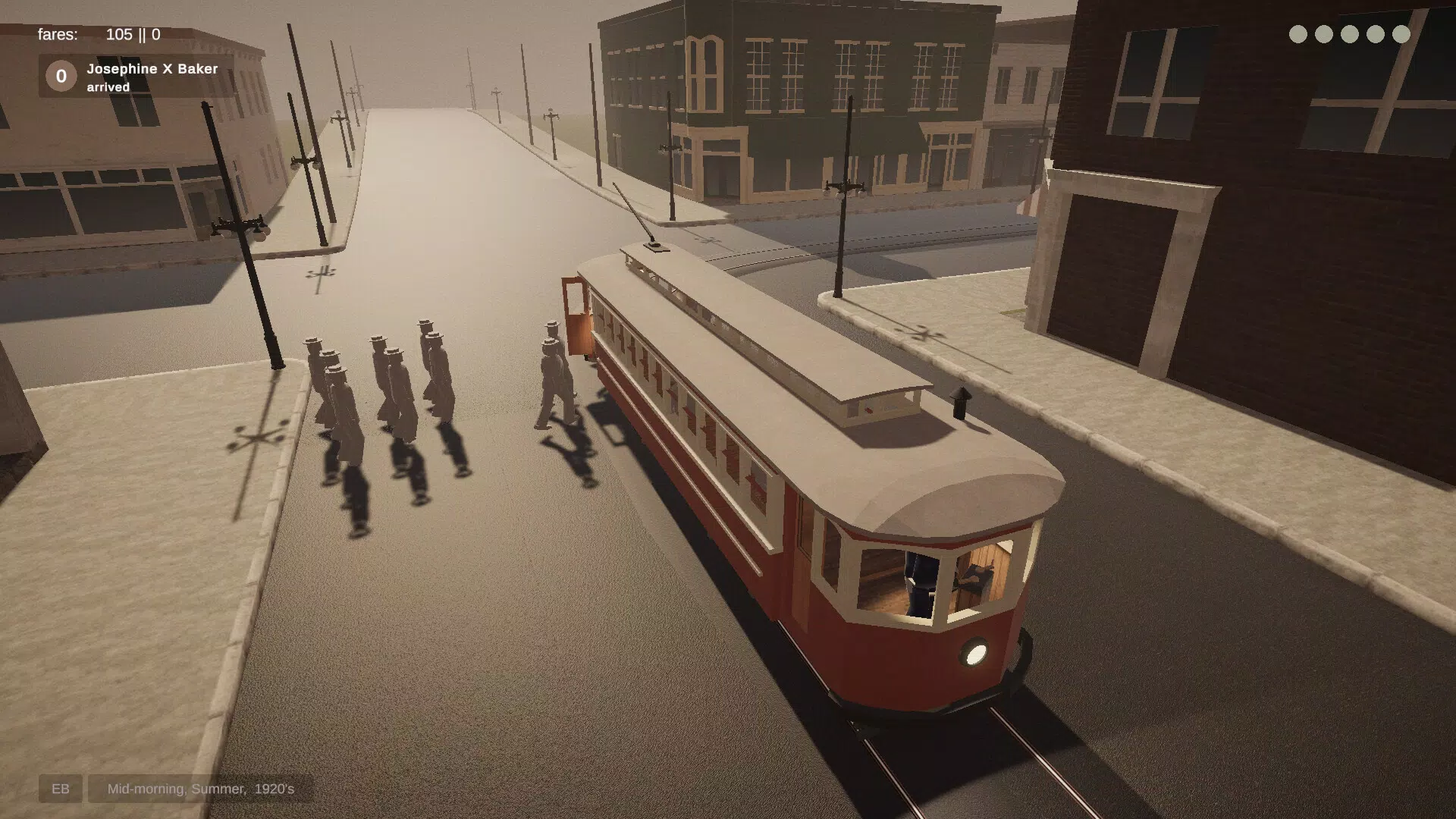
- Role-Based Gameplay: Players assume dual roles—conductor and driver—each with distinct responsibilities. The conductor manages passenger boarding and safety, while the driver navigates the route, adhering to schedules and responding to environmental cues. This division fosters a sense of collaboration and shared purpose.
- Immersive Digital Projections: Large-scale digital projections are integrated into the installation, creating a dynamic, responsive environment that reacts to user actions. These projections shift in real time, reinforcing the sense of presence and historical continuity.
- Home-Play Accessibility: The Early-Access edition enables personal, non-commercial use via keyboard and mouse. While simplified, it retains core gameplay mechanics, allowing users to operate the streetcar, collect passengers, and experience the narrative at home.
These features collectively support a layered experience where education, art, and interactivity converge. For museum visitors, the physical controllers and spatial design invite tactile exploration. For home users, the digital interface provides a low-barrier entry point to engage with historical themes through play. The project’s emphasis on community-building through shared tasks underscores its broader cultural significance.
Interface, UX & Performance
The interface of Automata Streetcar is designed with a strong emphasis on spatial and sensory engagement, particularly in its museum installation form. The layout integrates physical art objects with digital projections, creating a seamless blend of tangible and virtual elements. Users interact with the system through custom controllers that respond to motion, pressure, or proximity, offering a tactile feedback loop that enhances immersion.
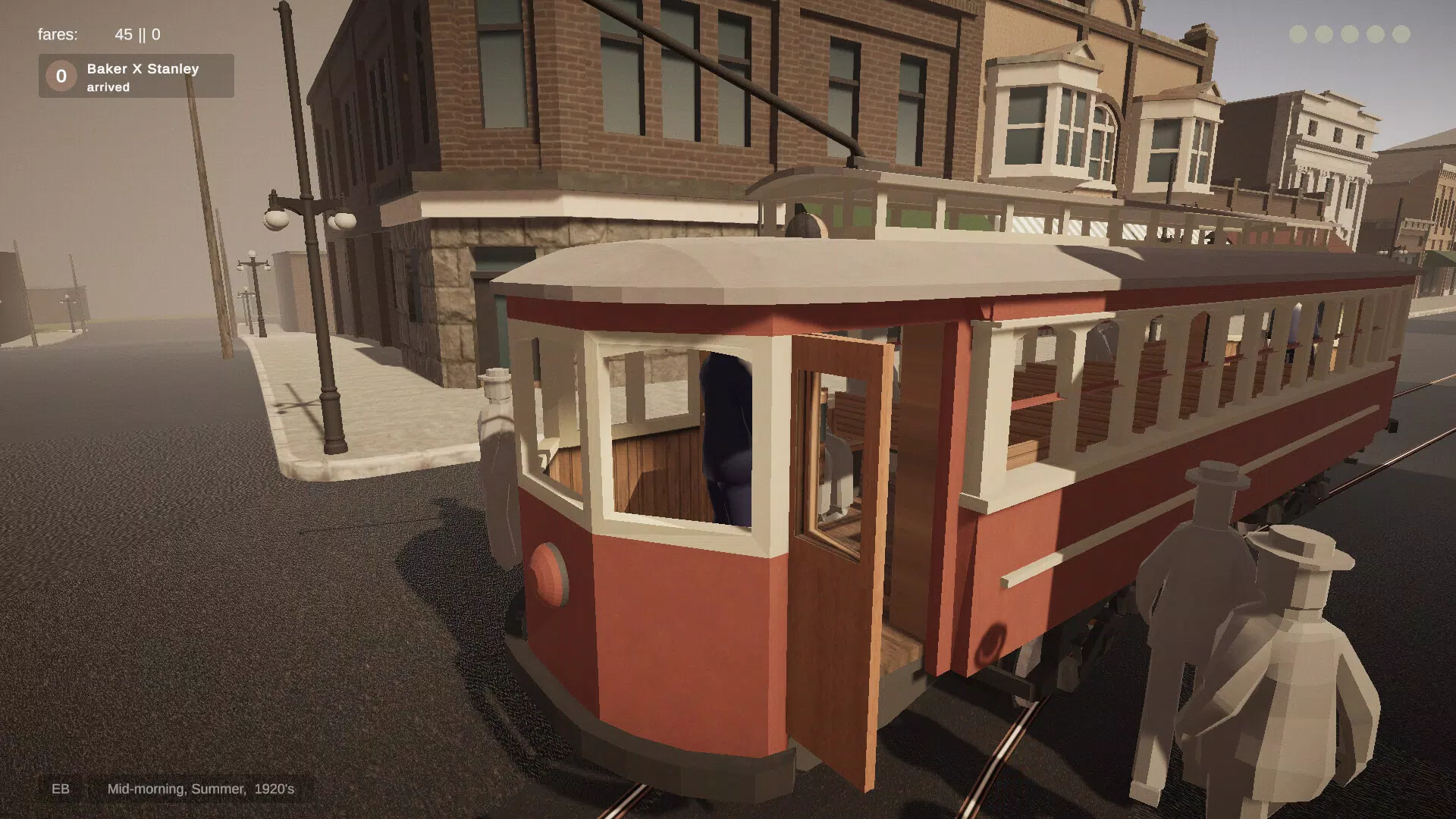
Navigating the experience is intuitive, with clear visual cues guiding users through their roles as conductor and driver. The digital environment responds dynamically to input, ensuring that actions—such as opening doors or adjusting speed—produce immediate and visible effects. This responsiveness contributes to a fluid and engaging user journey, minimizing frustration and maximizing presence.
Although the developer did not list formal performance metrics, the design suggests optimization for stability in gallery settings, where consistent performance is critical. The home-play version, accessible via standard keyboard and mouse, indicates a focus on compatibility with common computing devices. The system appears to be built for reliability across a range of hardware, though specific requirements were not disclosed. No reports of crashes or lag were mentioned in the provided materials.
Platform Compatibility & Technical Requirements
Automata Streetcar is designed for use in museum and gallery installations, with a home-play version available for personal use. The primary platform is not specified, but the home edition is compatible with standard desktop systems using keyboard and mouse input. The app’s file size and software version were not provided, nor were the minimum operating system requirements. The developer did not specify whether the app is available on mobile platforms such as Android or iOS.
Compatibility information was not fully disclosed. While the installation version likely runs on specialized hardware, the home-play version appears to be built for general-purpose computers. Specific device categories, such as tablets or smartphones, were not mentioned. The release date is listed as December 12, 2024, indicating a recent debut in the digital art space.
Pros and Cons
Pros
- Unique fusion of art, history, and interactivity in a museum-quality installation.
- Encourages collaboration and community engagement through role-based gameplay.
- Accessible home version allows personal, non-commercial use via standard input devices.
- Immersive digital projections enhance the sense of presence and historical authenticity.
- Thoughtful design integrates physical controllers with digital environments for tactile engagement.
Cons
- Platform availability for mobile devices was not specified.
- Technical requirements and system compatibility were not fully disclosed.
- Home version may lack the full sensory depth of the physical installation.
- No information on update frequency or long-term maintenance plans.
- Not available for commercial use, limiting broader distribution.
FAQ
Is Automata Streetcar available for mobile devices?
The developer did not specify whether Automata Streetcar is available on Android or iOS platforms. The home-play version is designed for desktop use with keyboard and mouse.
Can I use Automata Streetcar for commercial purposes?
No. The Early-Access edition is intended for non-commercial, personal use only. Commercial distribution or use is not permitted.
What devices are compatible with the home-play version?
The home-play version supports standard desktop computers using keyboard and mouse input. Specific hardware or OS requirements were not listed.
How often is Automata Streetcar updated?
Information about update frequency was not provided by the developer.
Is Automata Streetcar secure to download and install?
As a digital art project, Automata Streetcar is designed for controlled environments. Users should obtain the software from official sources to ensure security and authenticity.
Final Thoughts + CTA
Automata Streetcar stands out as a bold and thoughtful contribution to the evolving landscape of interactive digital art. By blending historical narrative, physical interactivity, and immersive technology, it transforms passive viewing into active participation. Whether experienced in a museum setting or at home, the app invites users to reflect on the social fabric woven by public transportation and the enduring value of community connection.
Its dual accessibility—through both physical installations and a simplified digital version—makes it a rare example of inclusive, educational art. While technical details remain limited, the project’s strengths lie in its concept, execution, and emotional resonance. For educators, art enthusiasts, and history lovers, Automata Streetcar offers a meaningful and engaging way to explore the past.
Download Automata Streetcar now


